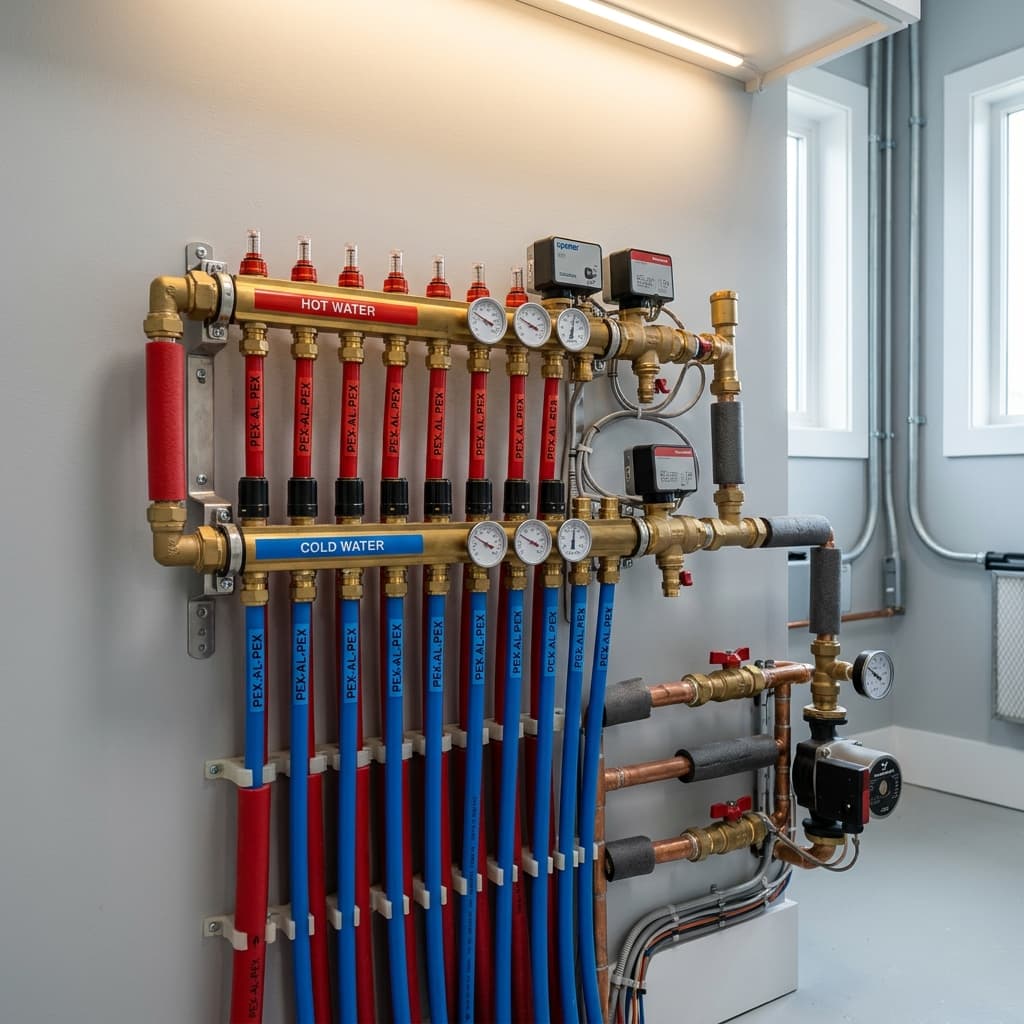

How to Choose the Right Pressure Booster Pump for Your Home
Mkawa Engineering India
Technical Division
Why Your Home Needs a Pressure Booster Pump
If you've ever stepped into the shower only to be met with a weak, disappointing trickle, you know the frustration of low water pressure. In India, inconsistent municipal supply and high-rise living make this problem incredibly common. A pressure booster pump solves this by automatically increasing water pressure to every tap, shower, and appliance in your home.
But with dozens of options on the market, how do you choose the right one? This guide breaks it down into five practical factors.
1. Understand Your Flow Rate Requirement
Flow rate (measured in litres per minute) determines how much water the pump can deliver. The figures below are preliminary planning ranges; simultaneous use, pipe losses, and fixture requirements must be checked before selection.
| Usage | Minimum Flow Rate |
|---|---|
| Single bathroom | 10–15 LPM |
| 2–3 bathrooms | 20–35 LPM |
| Villa / Bungalow | 40–60 LPM |
| High-rise apartment | 15–25 LPM per unit |
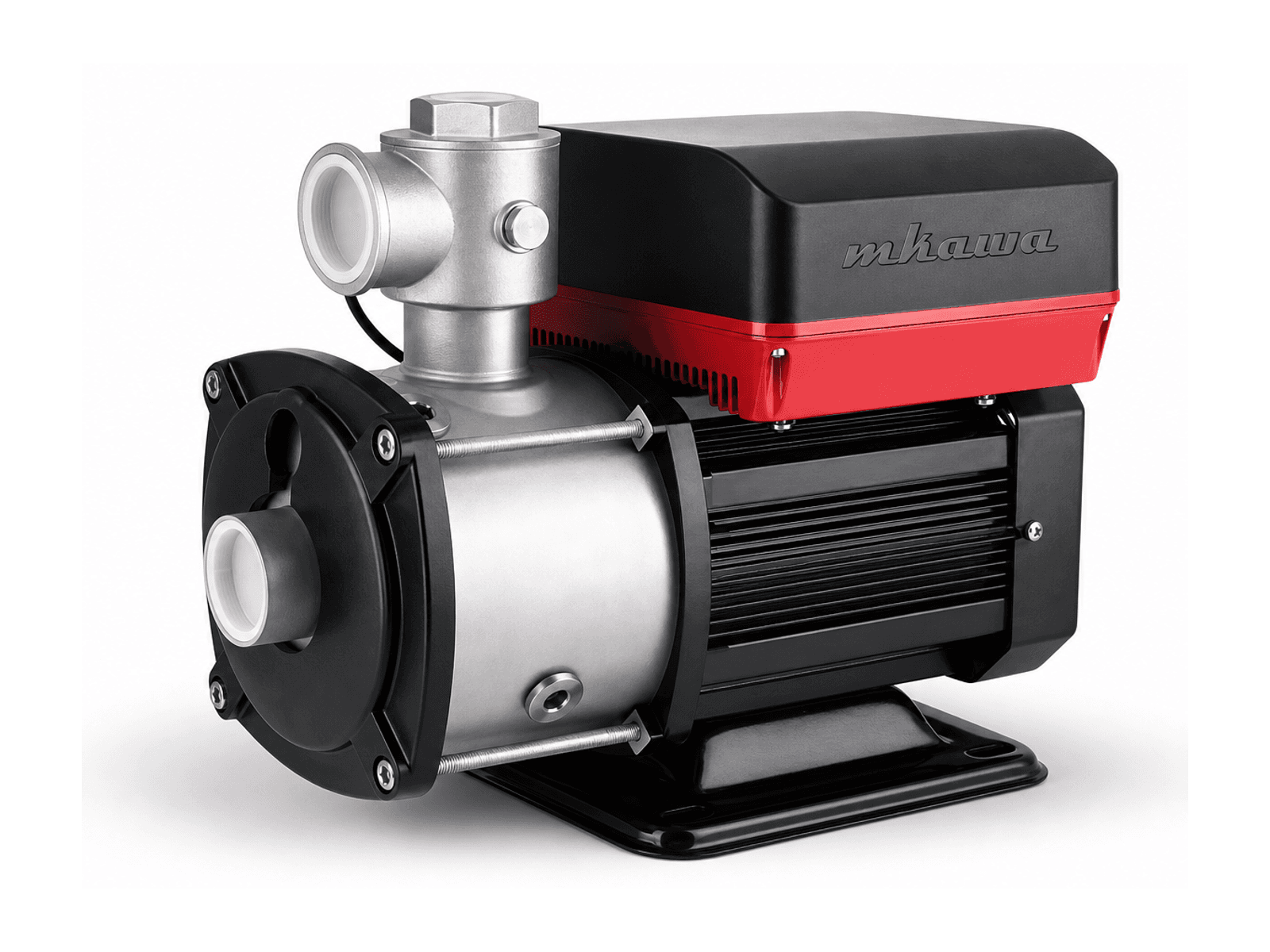
Pro Tip: If you have multiple bathrooms running simultaneously, you need a pump that can handle the combined flow without pressure drop. The BHM Series from Mkawa is specifically designed for multi-point residential use with constant pressure output.
2. Check the Head Pressure (Metres)
Head pressure tells you how high the pump can push water vertically. This is critical if you live in a multi-storey building:
- Ground + 1 floor: 15–20 metres head
- Ground + 2–3 floors: 25–40 metres head
- High-rise (4+ floors): 40–55+ metres head
A pump with insufficient head pressure will still deliver water, but at reduced pressure on upper floors — defeating the entire purpose.
3. Constant Pressure vs. Fixed Speed
This is where modern pumps differ dramatically from old-fashioned ones:
Fixed Speed Pumps (Traditional)
- Run at one speed regardless of demand
- Pressure fluctuates when multiple taps are open
- Higher electricity consumption
- Noisy operation
Variable Frequency Drive (VFD) Pumps
- Automatically adjust speed based on demand
- Constant pressure at every tap, every time
- Can reduce energy use when demand varies
- Usually quieter at reduced speed
VFD control is especially useful where demand changes through the day. Actual energy use and payback depend on the selected duty point, run hours, tariff, and comparison pump. Mkawa's supplied BHM brochure states energy savings greater than 30%, while the WHB/WHBJL brochure states an energy-saving effect of up to 40%; these are brochure claims, not guaranteed savings for every installation.
4. Build Quality and Longevity
A pump is a long-term investment. Look for these indicators of quality:
- Stainless steel impellers — resist corrosion from hard water
- Permanent magnet motors — higher efficiency, longer lifespan
- IP-rated enclosures — protection against dust and water splashes
- Documented materials and protection rating — verify these for the exact model
Material choice should be matched to water chemistry, temperature, and intended duty. Do not infer service life from casing appearance alone.
5. Smart Features That Matter
Modern smart pumps may offer the features below. Confirm each feature in the selected model's manual or quotation:
- Dry-run protection — automatically shuts off if water supply is interrupted, preventing motor burnout
- Automatic restart — resumes operation when water supply returns
- Pressure memory — remembers your preferred pressure setting
- Silent mode — reduces noise during night operation
- Digital display — shows real-time pressure, flow, and fault codes
Quick Selection Chart
| Requirement | Series to Evaluate | Brochure maximum |
|---|---|---|
| Compact pressure boosting | SCA2-30 / SCA3-30 | 42–45 m head; 4.5–5.5 m³/h flow |
| Small whole-house supply | SCA504 / SCA604 | 45–53 m head; 5–6 m³/h flow |
| Wider residential/commercial range | BHM or WHB/WHBJL | Compare the exact model curve to the duty point |
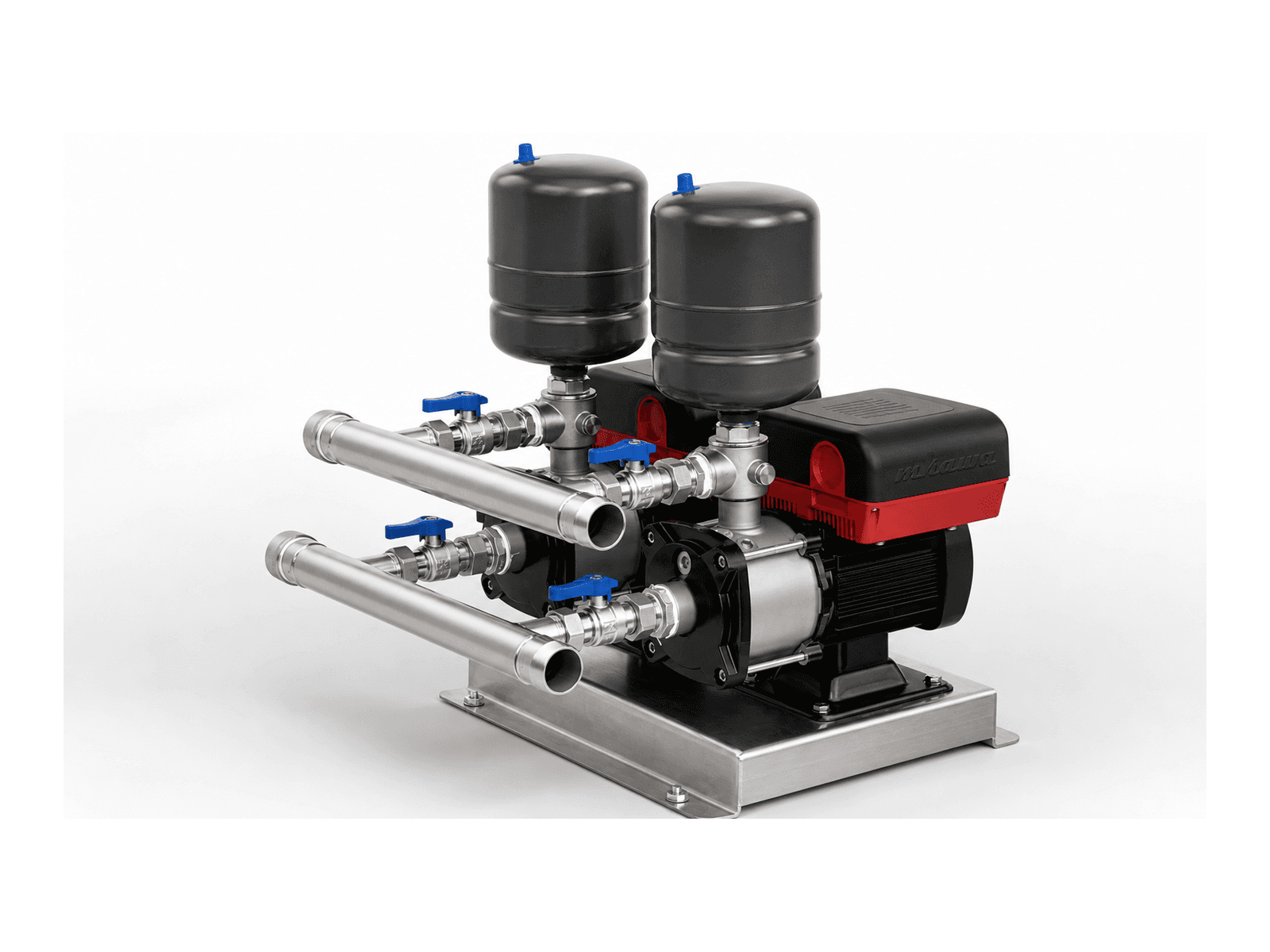
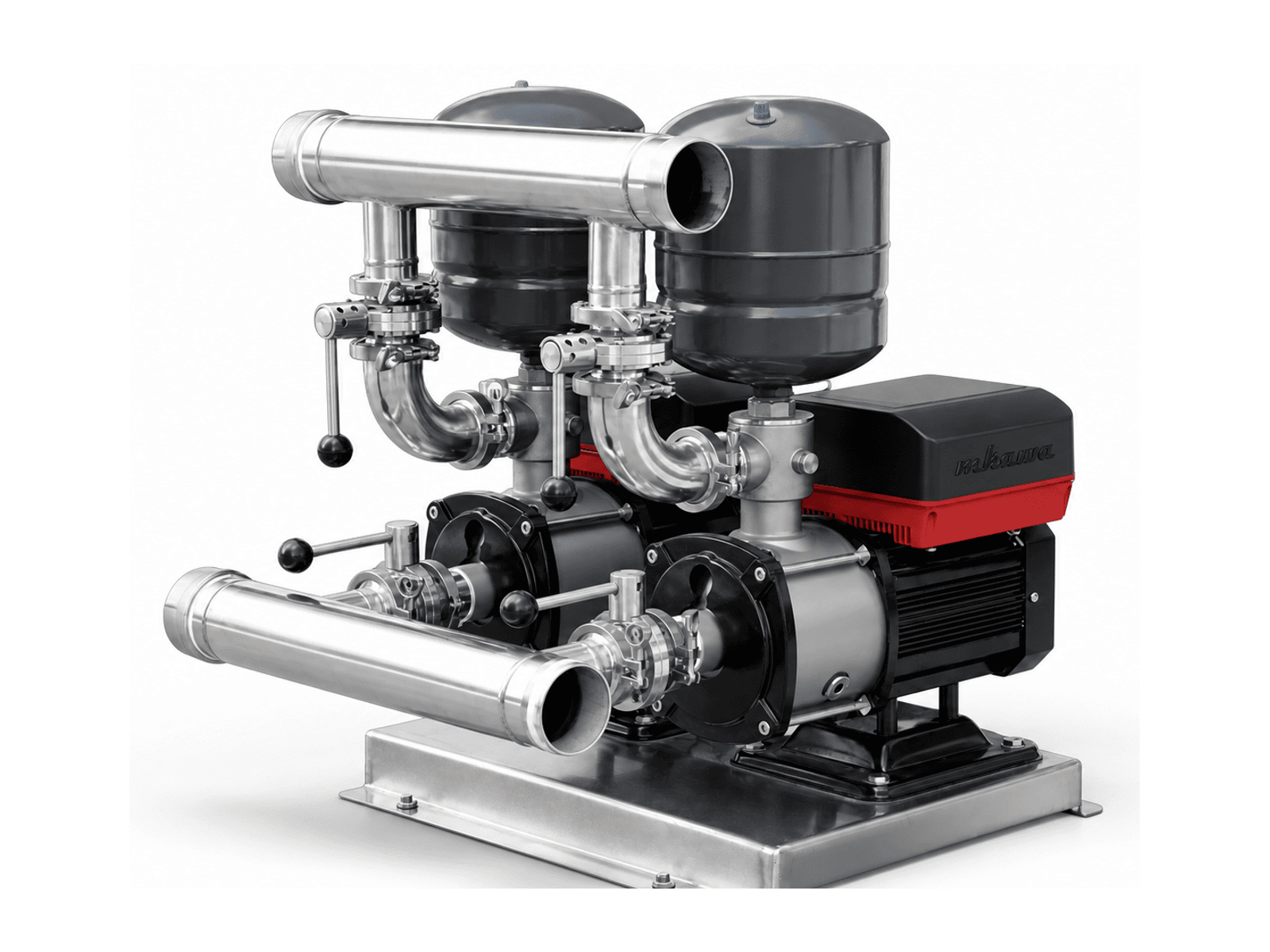
| Twin-pump booster requirement | BHM SET series | 12–40 m³/h maximum flow, depending on model |
The Bottom Line
Choosing a pressure booster pump starts with flow rate, total dynamic head, control method, materials, and protection features. Final selection must use the performance curve at the calculated operating point rather than the model name or maximum figures alone.
Need help selecting the right pump for your home? Our engineering team can assess your requirements and recommend a suitable solution — contact us for a consultation.
Tags
RELATED PRODUCTS
Need the Right Pump for Your Project
Our engineering team will assess your requirements and recommend the perfect IE5 permanent magnet pumping solution — with free technical consultation.
19
Patents
50+
Countries
IE5
Motor Class
24h
Support