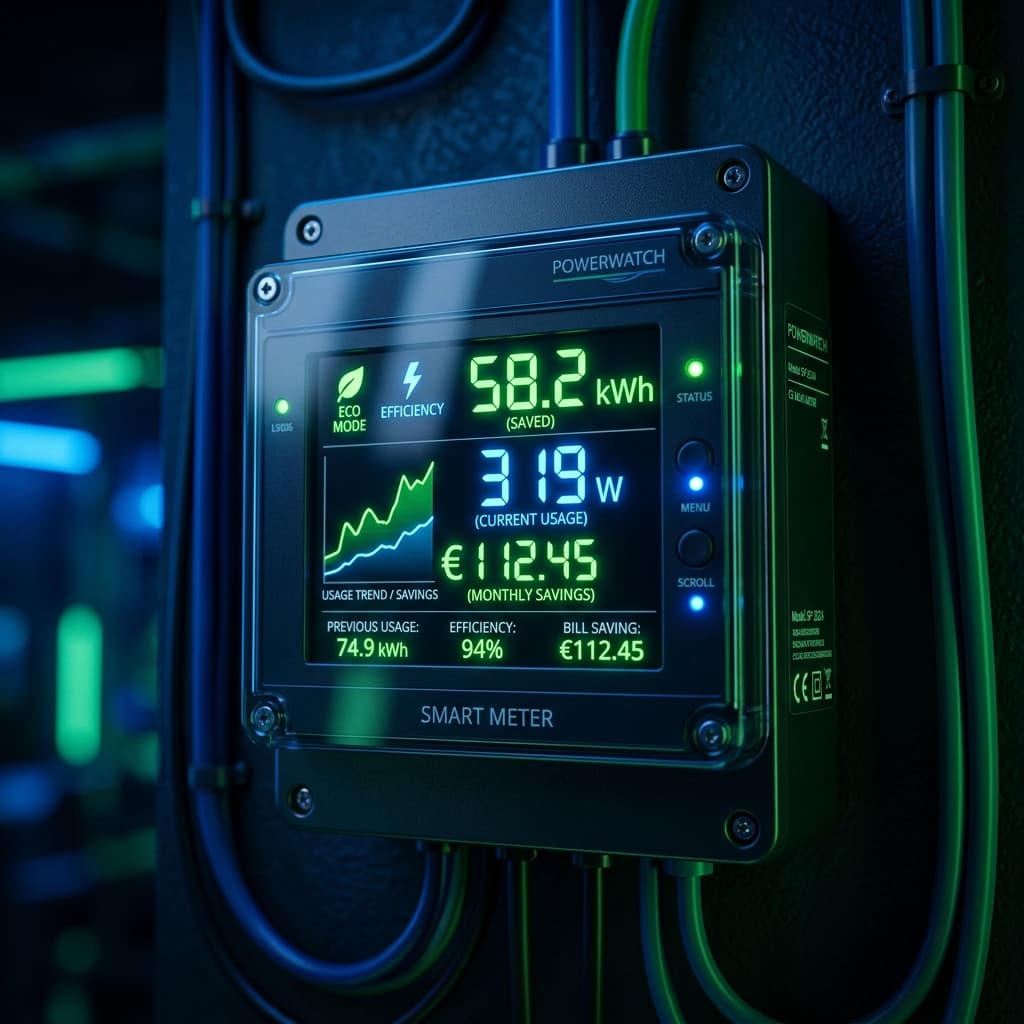

VFD Pump vs Normal Pump: Which Saves More Electricity
Mkawa Engineering India
Technical Division
The Hidden Cost of Traditional Pumps
Every water pump in your home or building consumes electricity — but how much it consumes depends entirely on its technology. Traditional fixed-speed pumps have been the standard for decades, but they come with a dirty secret: they waste enormous amounts of energy.
Here's why: while operating, a fixed-speed pump runs at its set rotational speed even when system demand is lower. Throttling can control flow, but it may dissipate energy that a correctly controlled variable-speed system could avoid.
Variable Frequency Drive (VFD) pumps vary motor speed to follow changing demand, provided the pump and controls are correctly selected and commissioned.
How VFD Technology Works
A VFD pump has a built-in intelligent controller that continuously monitors water demand and adjusts the motor speed in real-time:
1. Low demand → the controller can reduce motor speed
2. Medium demand → speed rises to maintain the pressure setpoint
3. Peak demand → the pump operates nearer the duty required by the system
This means the pump only uses the exact amount of energy needed at any given moment. No waste. No excess.
How to Compare Energy Use
Do not compare two pumps from horsepower alone. Record or estimate the required flow and head over a typical day, then compare input power at those duty points. Annual energy is:
Annual energy (kWh) = input power (kW) × operating hours per year
Use the same demand profile, electricity tariff, and control settings for both options. Mkawa's supplied BHM brochure states savings greater than 30%, and its WHB/WHBJL brochure states up to 40%; actual savings vary by installation.
Beyond Energy: Other VFD Advantages
1. Constant Pressure
VFD pumps can ramp speed and regulate a pressure setpoint, reducing abrupt starts and pressure variation when correctly sized. Outlet pressure can still vary because of pipe losses, control limits, and demand beyond pump capacity.
2. Extended Motor Life
Across-the-line starts create electrical and mechanical transients. A VFD normally ramps the motor up and down, which can reduce those transients. Service life still depends on installation, water quality, operating point, maintenance, and component design.
3. Reduced Noise
A pump may be quieter at reduced speed, but installed noise depends on speed, pipework, mounting, room acoustics, and the operating point. The supplied Mkawa brochures describe the pumps as low-noise but do not publish a decibel rating.
4. Intelligent Protection
VFD controllers include built-in protection against:
- Dry running (no water supply)
- Overcurrent (electrical faults)
- Overheating (motor temperature)
- Phase failure (in 3-phase systems)
Available protections differ by controller and model, so verify them in the manual or quotation.
When Does a VFD Pump NOT Make Sense
To be fair, there are a few scenarios where a fixed-speed pump might be acceptable:
- Very intermittent use — a farm borewell that runs once a day for 30 minutes
- Ultra-tight budget — when the initial cost difference is a barrier
- Single-point supply — one tap with consistent demand
For variable-demand residential and commercial systems, a VFD is worth evaluating through a duty-cycle and lifecycle-cost comparison.
Permanent Magnet vs. Induction Motors
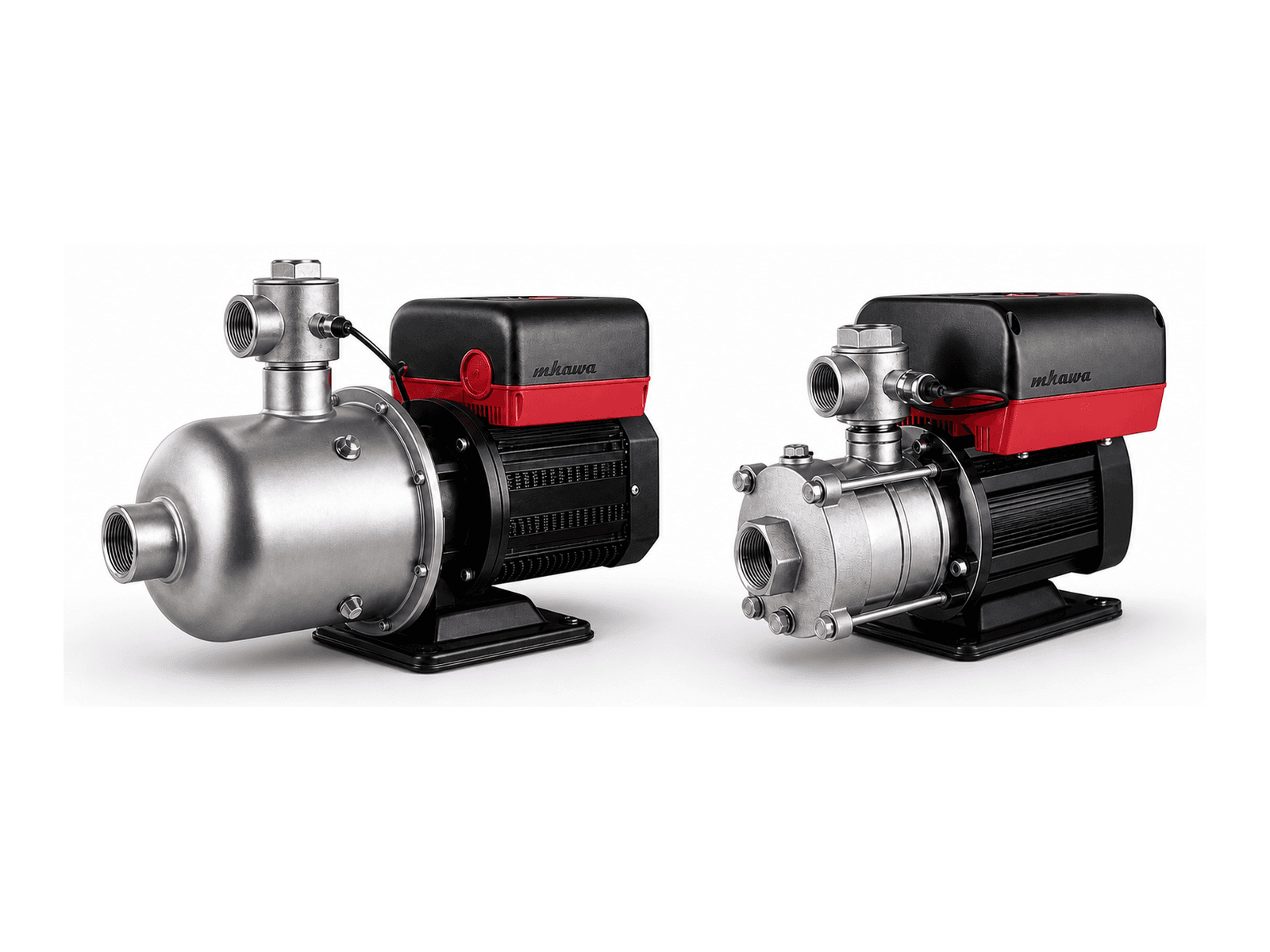
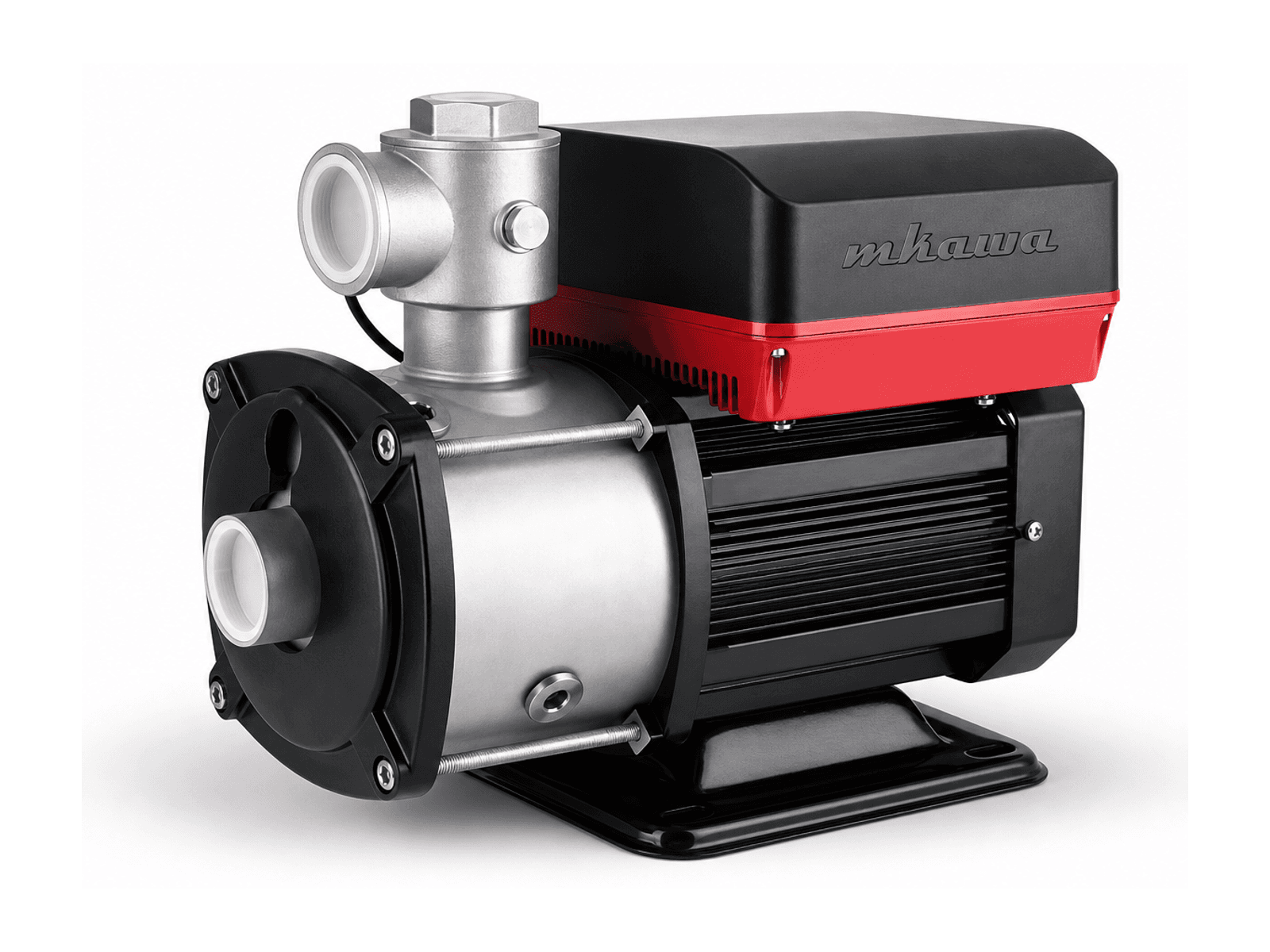
Within VFD pumps, there's another important distinction. Traditional VFD pumps use induction motors, while premium pumps like the Mkawa WHB series use permanent magnet motors:
| Feature | Induction Motor VFD | Permanent Magnet VFD |
|---|---|---|
| Rotor field | Electrically induced | Permanent magnets |
| Slip | Present in an induction motor | Synchronous operation |
| Control | Fixed speed or VFD | Electronic drive required |
| Selection basis | Duty-point input power | Duty-point input power |
| Verification | Motor and pump datasheets | Motor, drive, and pump datasheets |
Permanent magnet motors are the gold standard in pump technology today.
The Verdict
If you're buying a new pump or replacing an old one, assess VFD technology against the actual demand profile. It can improve pressure control and reduce energy use, but savings and payback should be calculated for the site.
For the absolute best efficiency, choose a permanent magnet VFD pump — the technology Mkawa has built its entire product line around.
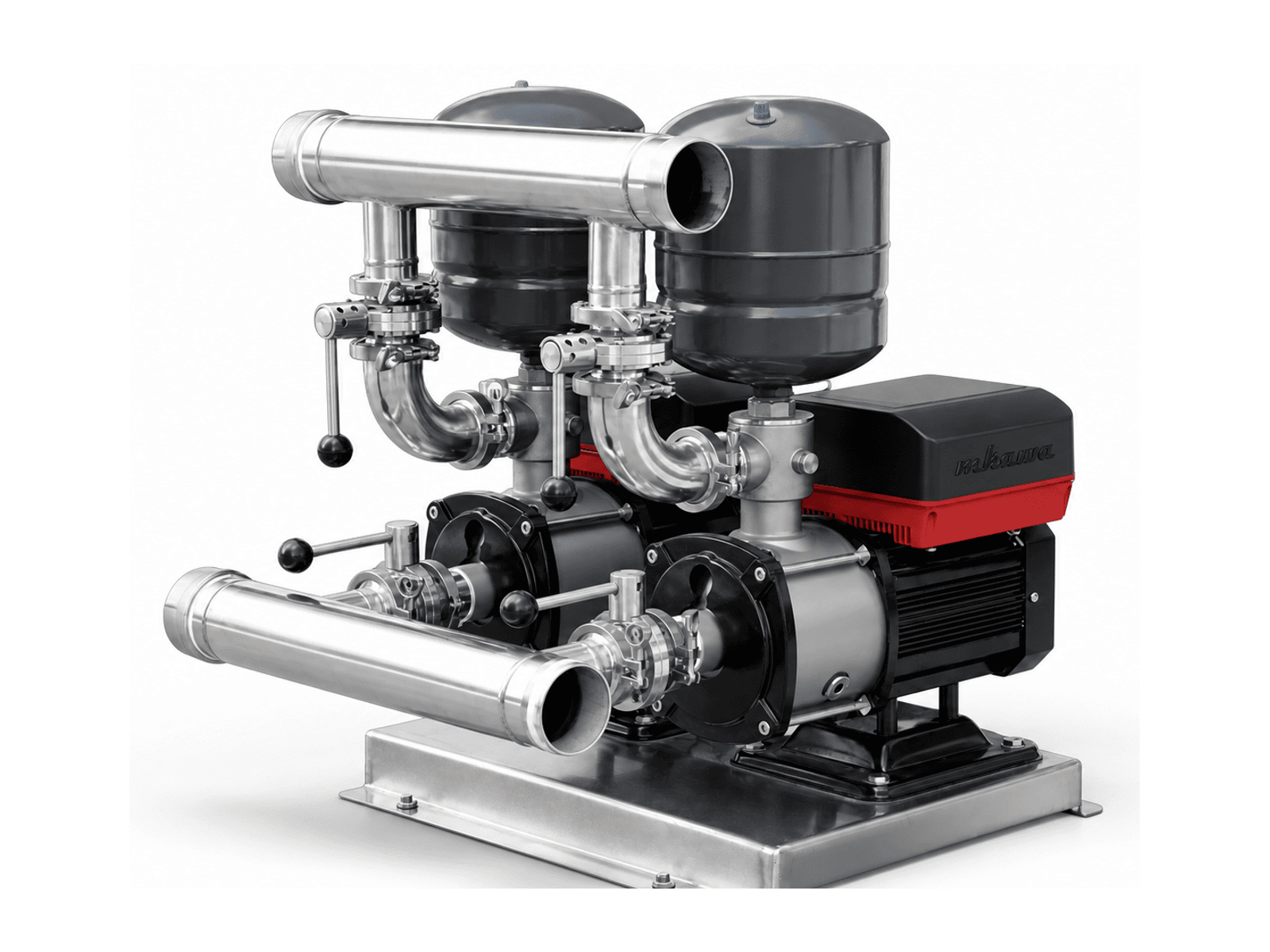
Ready to compare options? Explore our VFD pump range or request a duty-point review from our engineers.
Tags
RELATED PRODUCTS
Need the Right Pump for Your Project
Our engineering team will assess your requirements and recommend the perfect IE5 permanent magnet pumping solution — with free technical consultation.
19
Patents
50+
Countries
IE5
Motor Class
24h
Support