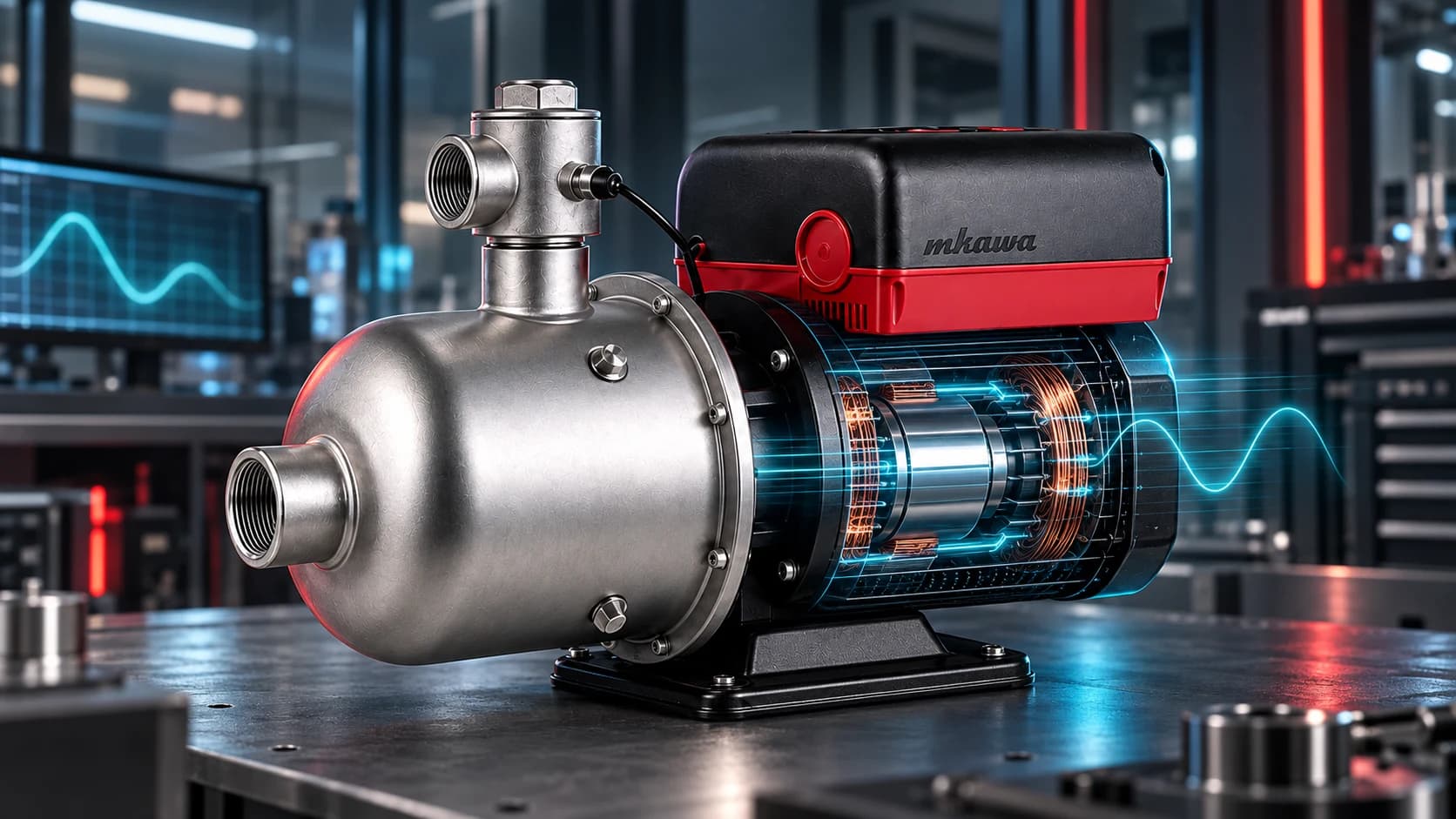

IE5 Motor Efficiency Explained: What It Means for Your Pump
Mkawa Engineering India
Technical Division
What does IE5 mean?
IE5 is an international efficiency class for electric motors. The current IEC 60034-30-1:2025 standard introduced nominal IE5 efficiency limits for eligible line-operated AC motors. In simple terms, a motor at a higher IE class converts a larger share of its electrical input into useful mechanical output at its rated test point.
That makes IE5 meaningful—but it is not a promise that every IE5-driven pump will use the same amount of electricity. Motor size, pole count, load, drive, pump hydraulics and operating hours all matter.
Motor efficiency is not pump-system efficiency
A pumping system converts electricity into water flow and pressure through several stages:
- The drive controls electrical frequency and voltage
- The motor converts electrical energy into shaft power
- The hydraulic end converts shaft power into flow and head
- Pipes, valves and fittings determine how much of that energy reaches the outlet
An efficient motor attached to an oversized pump, a throttled valve or restrictive pipework can still waste energy. Ask for input power at your actual duty point, not only the motor class printed on a brochure.
Why permanent-magnet motors can reach high efficiency
A permanent-magnet synchronous motor, or PMSM, uses magnets to create the rotor field and runs synchronously with the drive's rotating field. It does not need rotor current to create magnetisation in the same way an induction motor does, helping reduce rotor losses.
The practical advantage is strongest when the motor, electronic drive and pump are engineered as a system. Good controls can maintain a pressure setpoint while reducing speed when water demand falls.
Where the electricity saving actually comes from
| Opportunity | What changes | Best fit |
|---|---|---|
| Higher motor efficiency | Less electrical loss for the required shaft output | Long-running pumps at a steady duty |
| Variable-speed control | Pump speed follows changing demand | Homes, buildings and circulation systems with variable load |
For many centrifugal-pump applications, speed control can create the larger system-level opportunity. The affinity laws indicate that flow changes approximately with speed, head with speed squared and power with speed cubed under idealised similar conditions. Real installations also have static head, minimum-flow requirements and efficiency changes, so never treat the cube relationship as a guaranteed saving.
What to request before you buy
- The claimed IE class and the standard/test basis used
- Rated motor efficiency at the relevant output and speed
- Pump curve with efficiency and input-power data
- Expected operating points across a normal day
- Drive losses, control method and speed limits
- An annual-energy comparison using the same duty profile
Is IE5 worth it?
IE5 is most valuable when the pump runs often, electricity tariffs are material and the unit operates near efficient duty points. For continuous circulation, pressure boosting or variable-demand service, lifecycle electricity can outweigh purchase price.
The right question is not simply “Is this IE5?” Ask: How many kilowatt-hours will the complete system use to meet my flow and pressure profile?
For an application review, share your duty point and operating hours with Mkawa. You can also review the IEC standard summary and the U.S. Department of Energy pump-system resources.
Tags
RELATED PRODUCTS
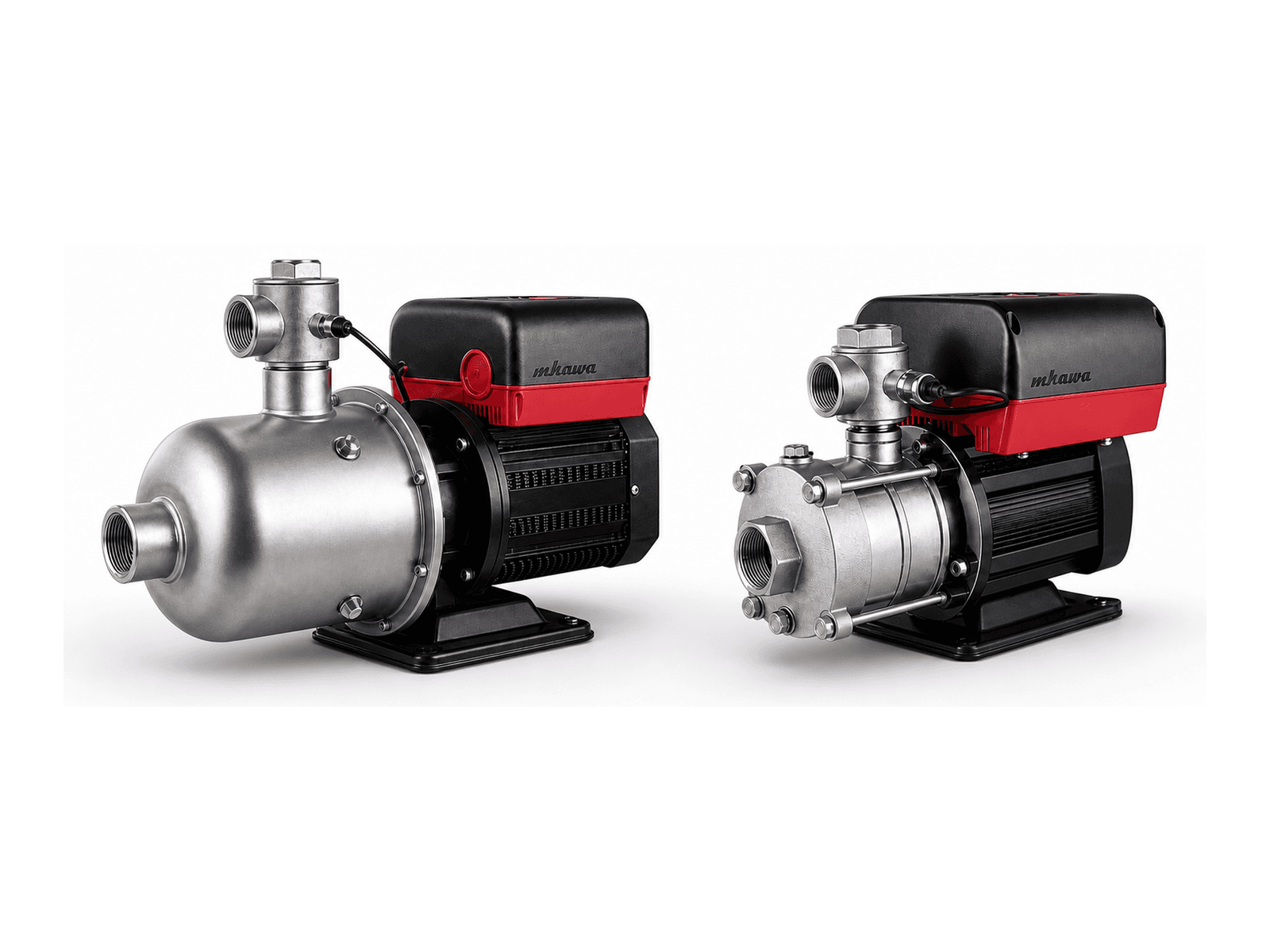
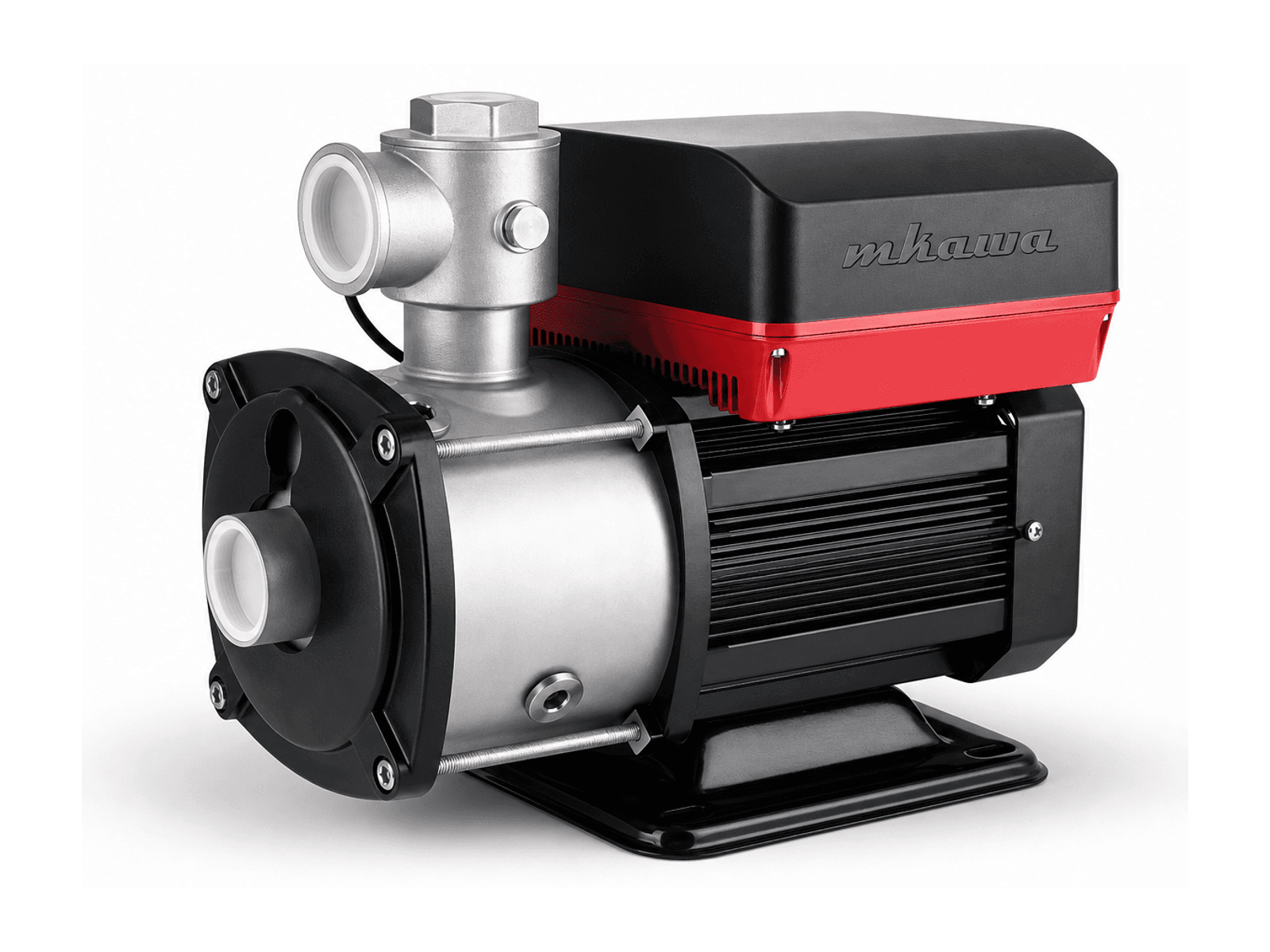
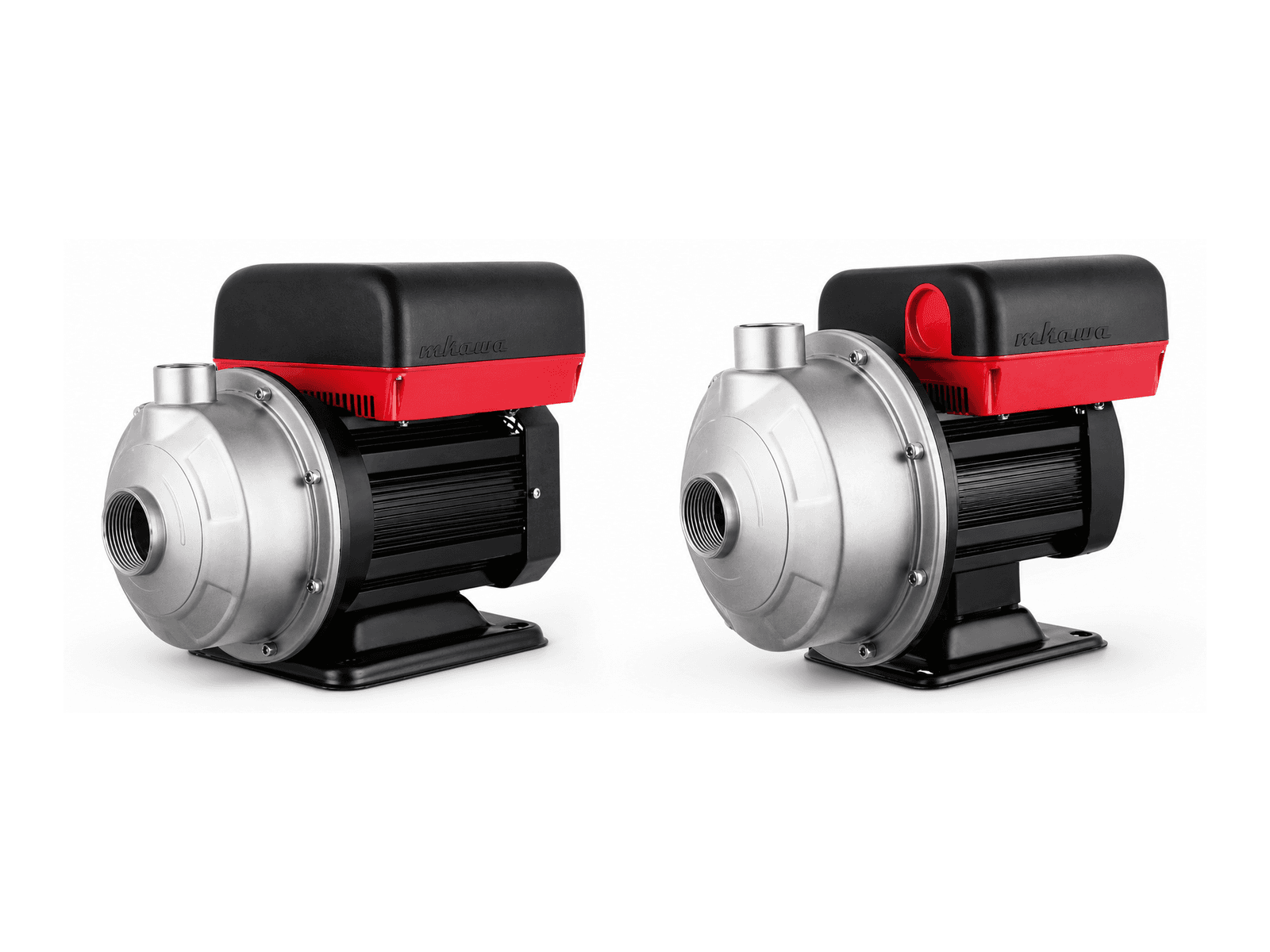
Need the Right Pump for Your Project
Share your duty point, operating hours and site conditions. Our engineering team will help identify a suitable permanent-magnet or variable-speed pumping solution.
Q + H
Duty Point
kWh
Energy View
VFD
Control Review
TCO
Lifecycle View