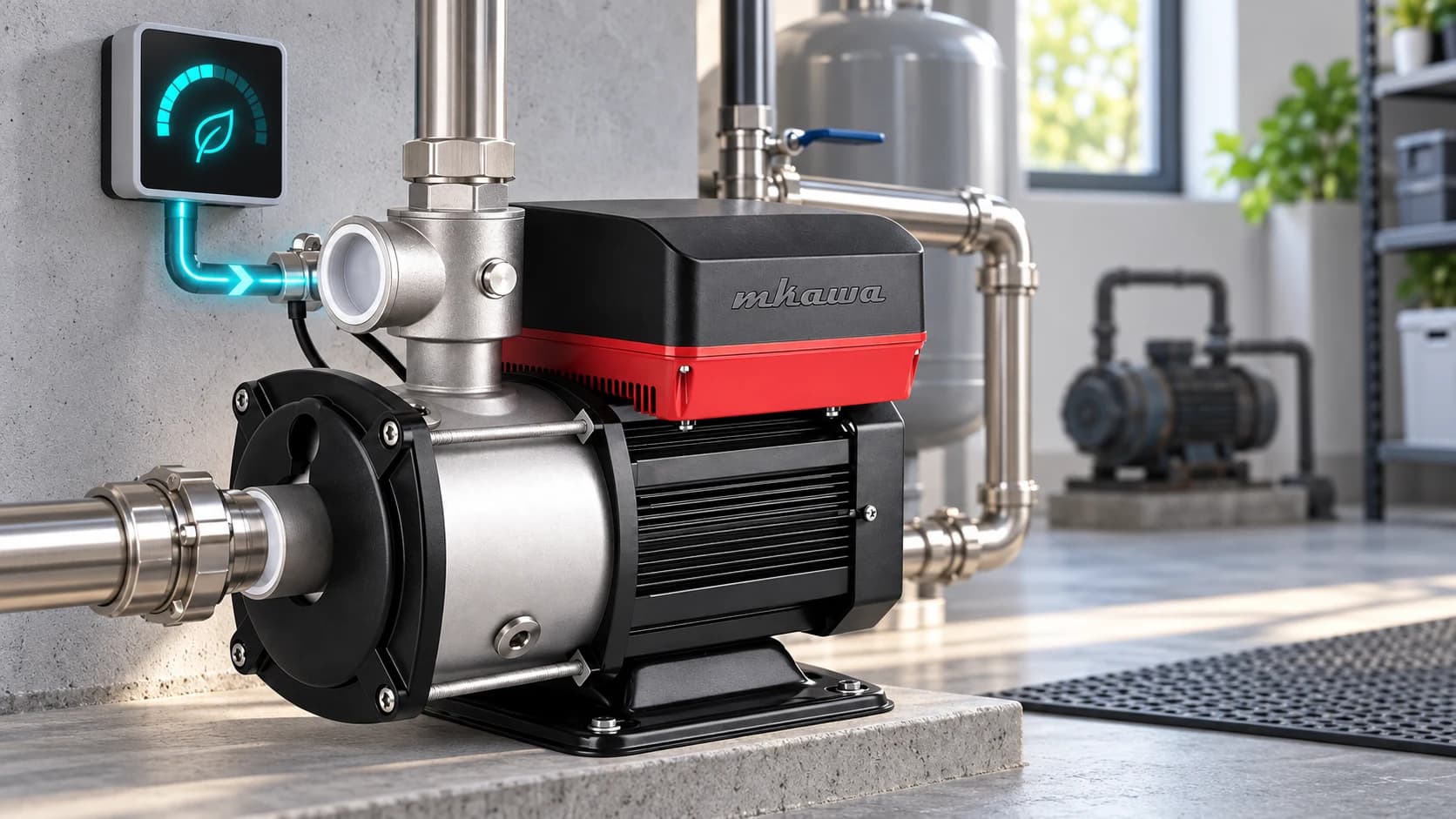

How Much Electricity Can an Efficient Water Pump Save?
Mkawa Engineering India
Applications Team
Start with kWh, not horsepower
Horsepower describes mechanical output capacity; your bill is based on electrical energy. The cleanest comparison uses measured or manufacturer-declared input power at the required flow and head.
Annual energy (kWh) = input power (kW) × operating hours per day × operating days per year
Annual cost = annual energy × electricity tariff per kWh
A worked example
Assume an existing pump draws 1.50 kW while operating and a correctly selected high-efficiency alternative draws 1.05 kW at the same required duty. Both operate four hours per day for 365 days. Use your current tariff; the ₹10/kWh figure below is only an example.
| Item | Existing pump | Efficient pump |
|---|---|---|
| Input power at duty | 1.50 kW | 1.05 kW |
| Annual run time | 1,460 h | 1,460 h |
| Annual energy | 2,190 kWh | 1,533 kWh |
| Example annual cost | ₹21,900 | ₹15,330 |
In this example, the difference is 657 kWh or ₹6,570 per year. It is a calculation, not a universal savings claim.
Calculate simple payback
Simple payback (years) = additional purchase and installation cost ÷ annual cost saving
If the efficient system costs ₹16,000 more in the worked example, simple payback is about 2.4 years. A complete lifecycle comparison should also consider maintenance, downtime, financing, tariff changes and expected service life.
Why variable speed can matter more than the IE class
When demand varies, a fixed-speed pump may create excess pressure and waste it across a valve or bypass. A VFD can reduce pump speed to follow demand. For centrifugal pumps under idealised similar conditions, power changes approximately with the cube of speed. That is why even a modest speed reduction can be important.
Do not apply the cube relationship blindly. Systems with high static head, minimum-flow limits or changing pump efficiency will save less than an idealised calculation predicts. A logged demand profile or site measurement produces a better estimate.
Gather these five inputs
- Required flow and total dynamic head
- Input power at each important operating point
- Hours spent at low, normal and peak demand
- Current electricity tariff, including demand charges where relevant
- Installed cost for each complete option
Avoid these comparison mistakes
- Comparing nameplate power instead of duty-point input power
- Comparing different flow or pressure outputs
- Assuming the pump runs at full load all day
- Treating a brochure's maximum saving as a guaranteed result
- Ignoring oversized pipe losses, throttling or poor controls
Get a site-specific estimate
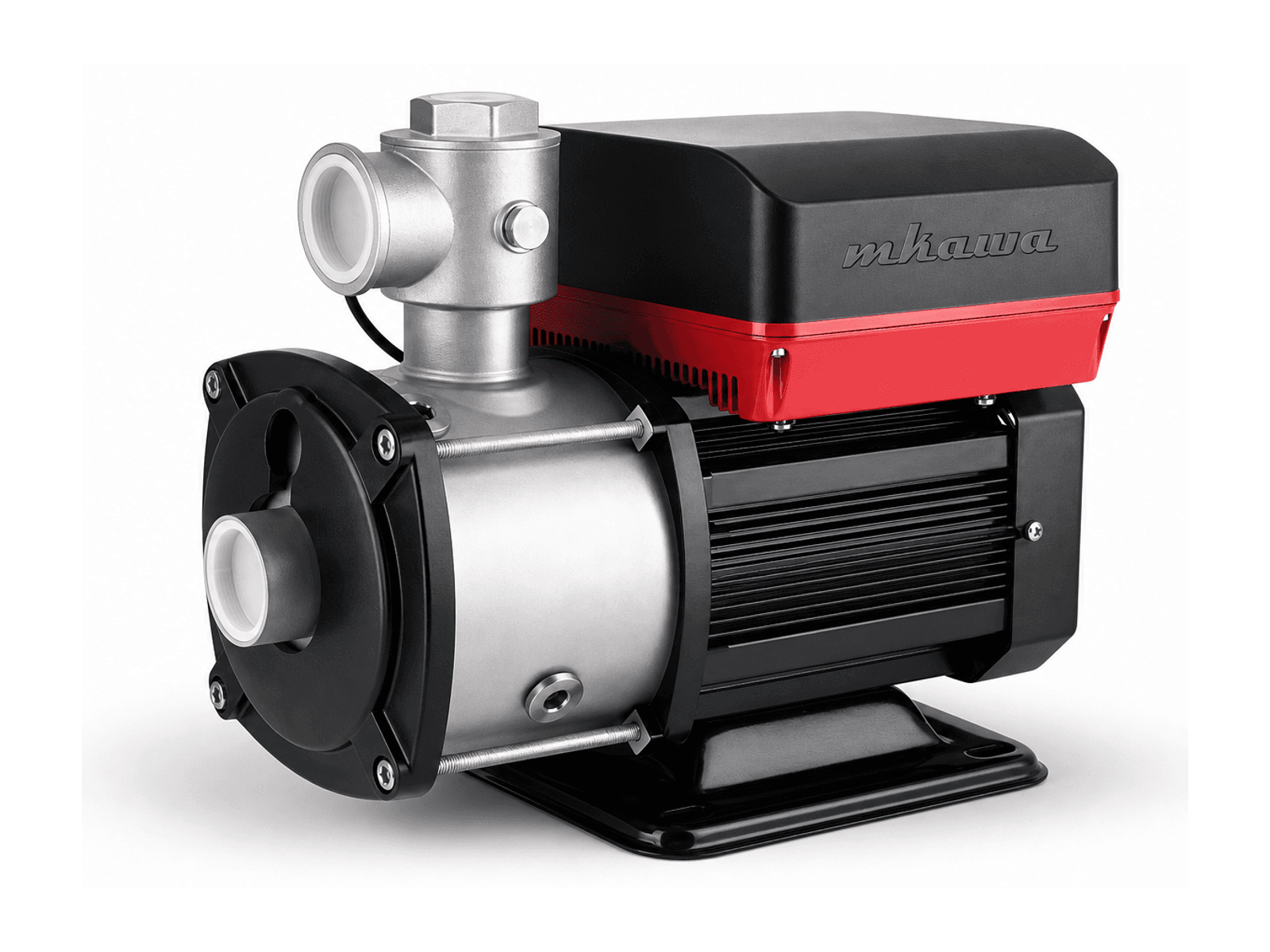
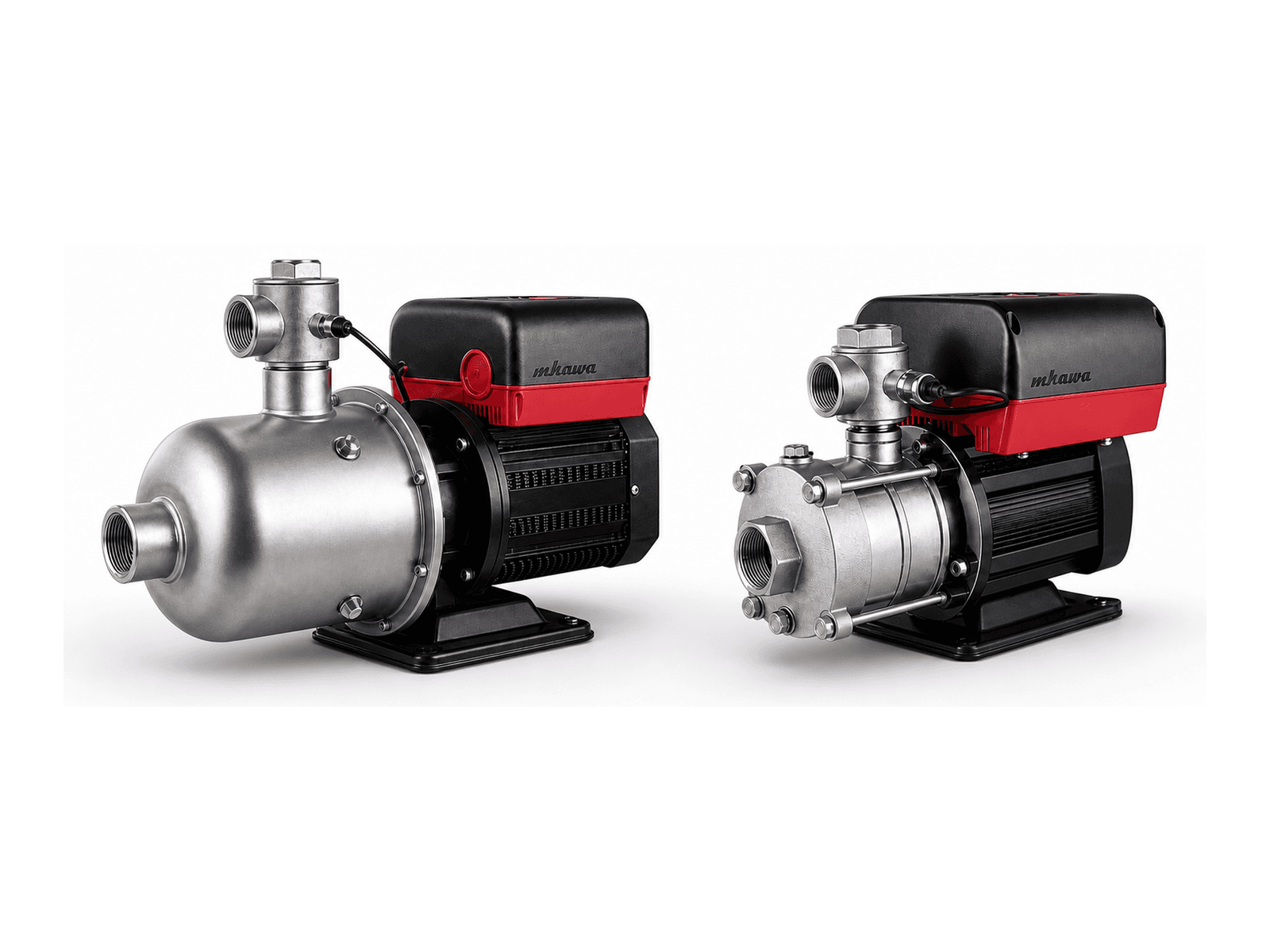
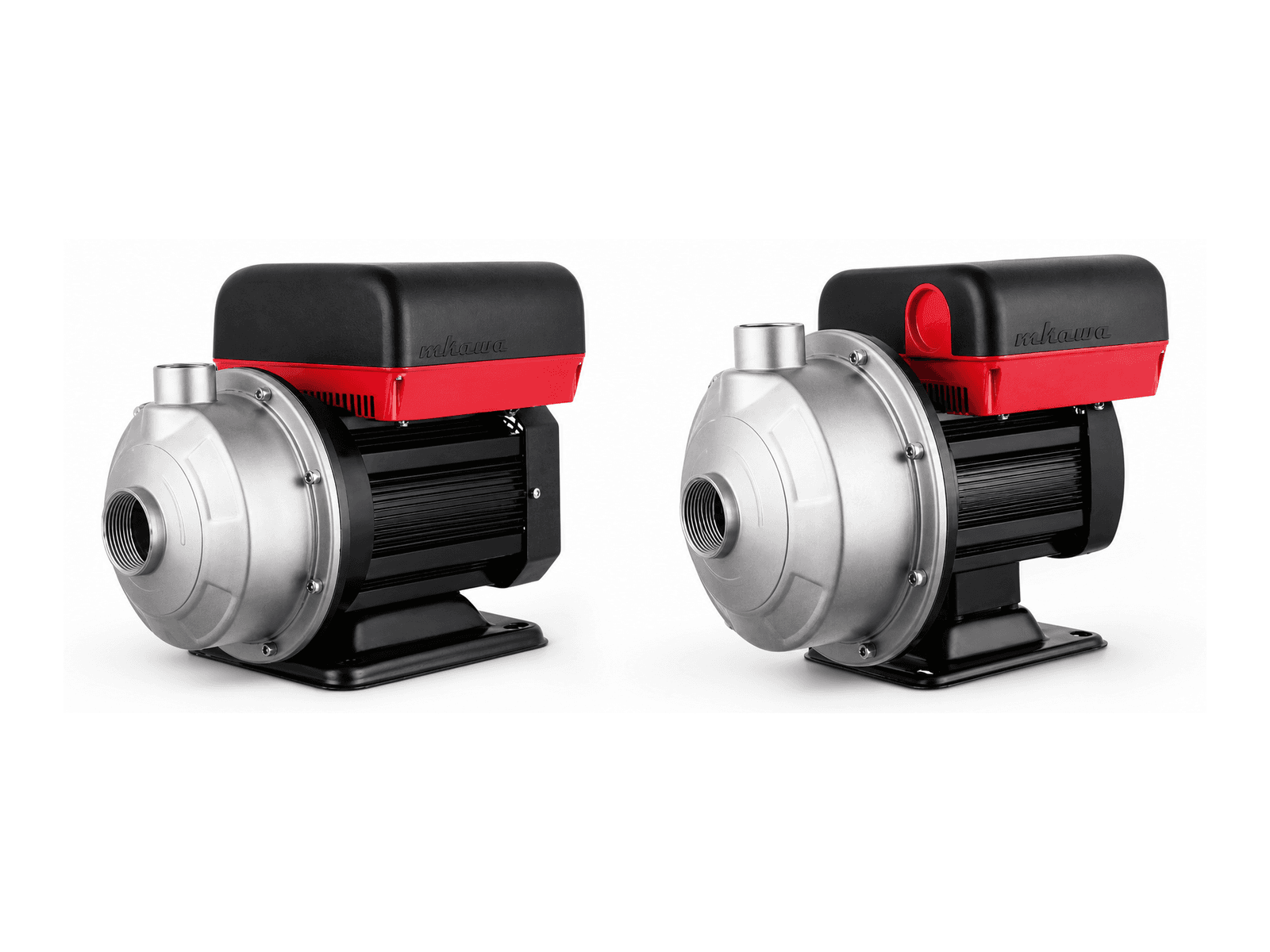
Mkawa brochures describe energy-saving permanent-magnet and variable-frequency technologies, but actual savings depend on the application. Send us your flow, head, tariff and run hours for a like-for-like review, or browse efficient pressure and circulation pumps.
Tags
RELATED PRODUCTS
Need the Right Pump for Your Project
Share your duty point, operating hours and site conditions. Our engineering team will help identify a suitable permanent-magnet or variable-speed pumping solution.
Q + H
Duty Point
kWh
Energy View
VFD
Control Review
TCO
Lifecycle View